ISO 9001
CE Certified
Make In India
Features
- What it Measures
- Medical Uses & Conditions Monitored
- Key Advantages
Technical Specifications
| Principle | Uses red (660nm) and infrared (940nm) light LEDs shining through tissue (like a fingertip). |
| Absorption | Oxygenated hemoglobin absorbs more infrared light; deoxygenated hemoglobin absorbs more red light. |
| Calculation | The device calculates the ratio of oxygenated to total hemoglobin, displaying it as a percentage (SpO2). |
| SpO2 (Oxygen Saturation) | Percentage of hemoglobin carrying oxygen (normal is typically 95-100%). |
| Pulse Rate | Beats per minute (BPM). |
| Fifth Vital Sign | Often used alongside temperature, blood pressure, respiratory rate, and pulse. |
| Respiratory Issues | Pneumonia, asthma, COPD, lung cancer, sleep apnea. |
| Cardiovascular Issues | Heart attack, heart failure, congenital heart disease. |
| Monitoring | During surgery, anesthesia, recovery, or assessing response to oxygen therapy. |
| Emergency Care | Quickly identifies low blood oxygen (hypoxemia). |
| Noninvasive & Painless | No needles or blood draws. |
| Instant Results | Provides immediate data. |
| Portable | Used in hospitals, ambulances, and homes. |
Similar Products
View all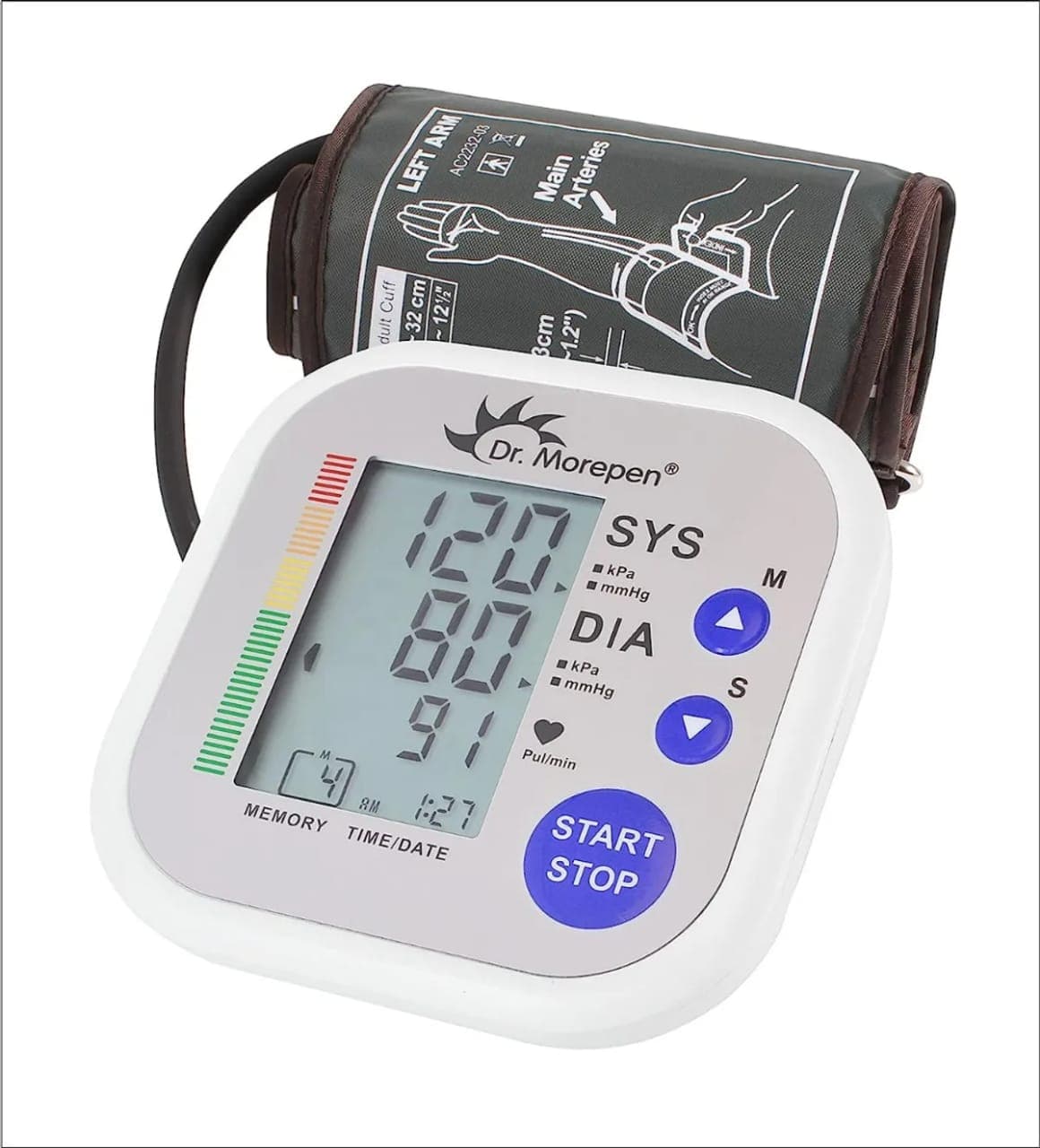
BP MONITOR DIGITAL
Sphygmomanometer: The formal medical name for the BP monitor., Inflatable Cuff: Wraps around the arm...
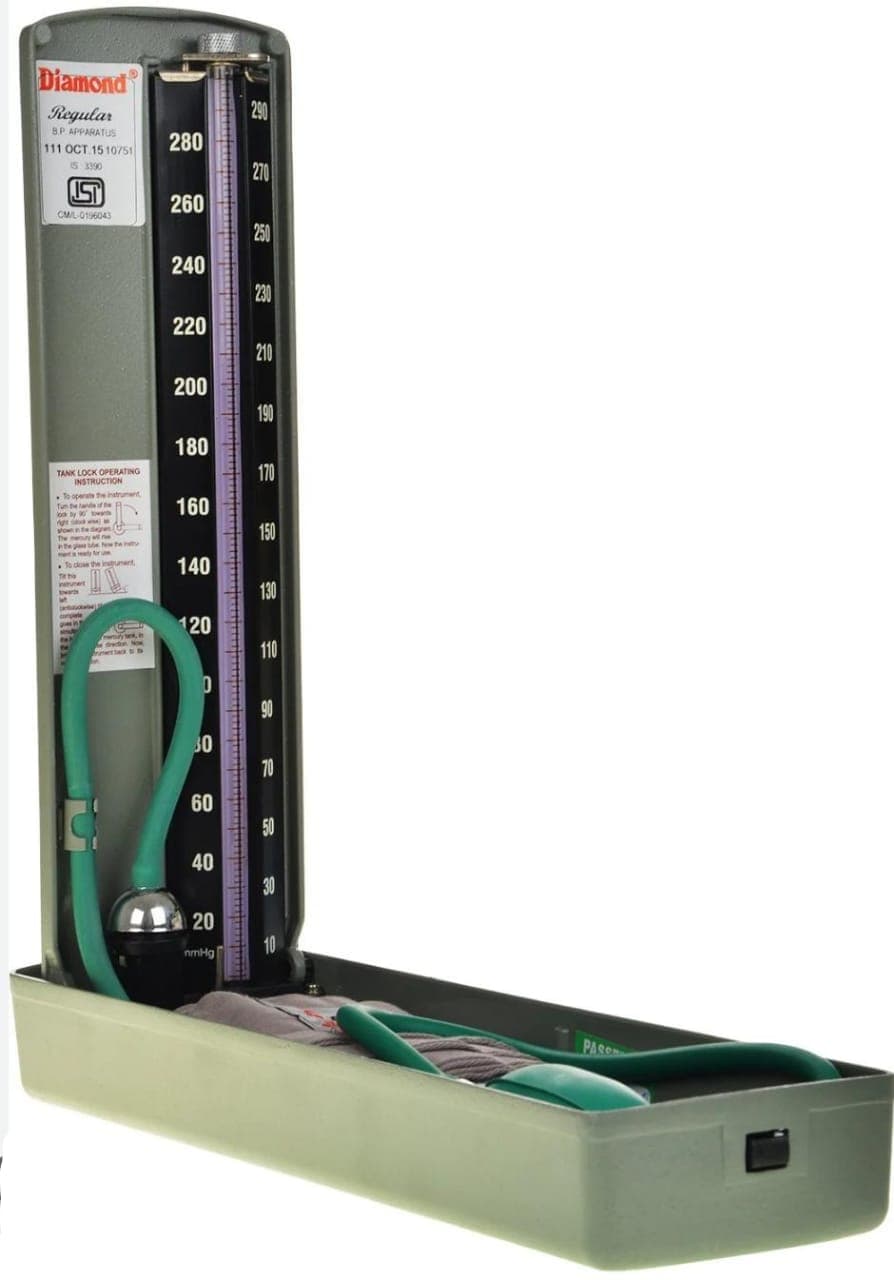
BP APPARATUS
Medical Terms for Apparatus Components A manual sphygmomanometer typically includes the following pa...
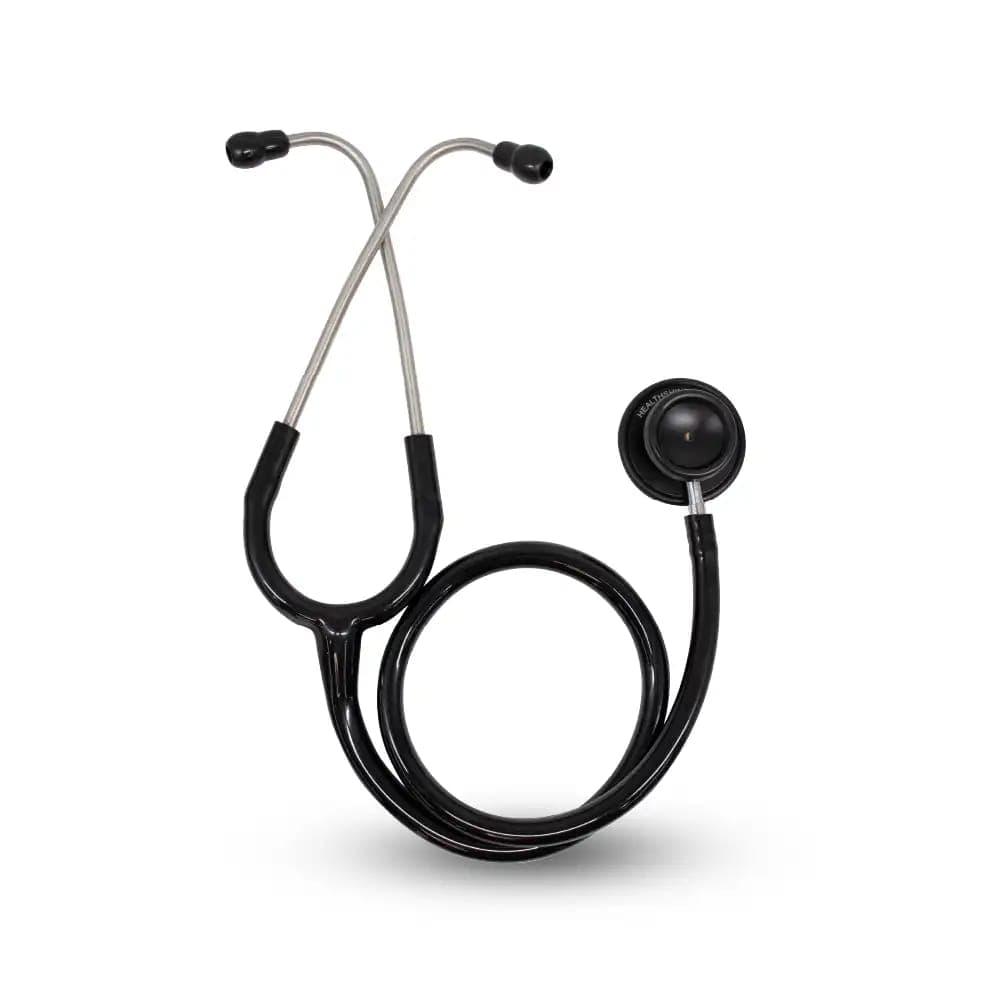
STETHOSCOPE
Frequency Range: Stethoscopes are optimized to capture specific frequencies relevant to body sounds....