Technical Specifications
| Backrest Elevation (Backrest Angle) | Adjusts the upper body, typically from 0° to ~70-80°, for comfort, feeding, respiratory drainage, or easier patient care. |
| Knee/Leg Rest Elevation (Knee Angle) | Adjusts the lower legs/thighs (0° to ~30-40°), aiding circulation, reducing pressure on heels, and comfort. |
| Height Adjustment (Hi | Low Function): Varies the entire bed's height (e.g., 50-75 cm) for patient transfers, CPR access, and ergonomics for staff. |
| Trendelenburg Position | Tilts the entire bed head-down (e.g., up to 12°), used for shock, hypotension, or surgical positioning. |
| Reverse Trendelenburg Position | Tilts the entire bed foot-down (e.g., up to 12°), useful for respiratory distress, abdominal surgery, or edema. |
| Frame | Mild Steel (MS) with epoxy powder coating for durability. |
| Bed Surface | 4-section top (perforated CRC sheet). |
| Side Rails | ABS/Aluminum, tuck-away, collapsible for safety. |
| Head/Foot Panels | Detachable ABS plastic. |
| Mobility | 5-inch castors with central locking system. |
| Accessories | IV pole provision, urine bag holder. |
| Control | Handset / Electric |
Similar Products
View all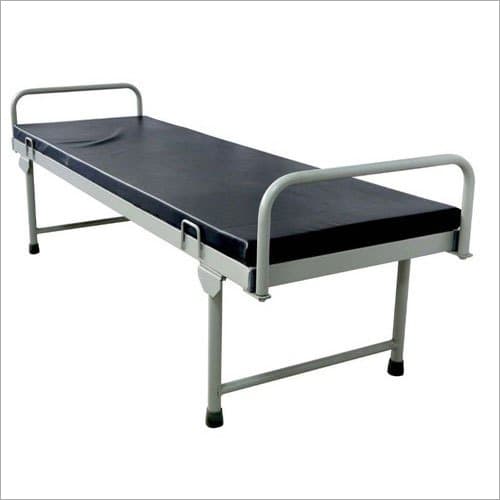
GENERAL BED
Adjustability: Most modern general beds have features to raise or lower the head and foot sections, ...
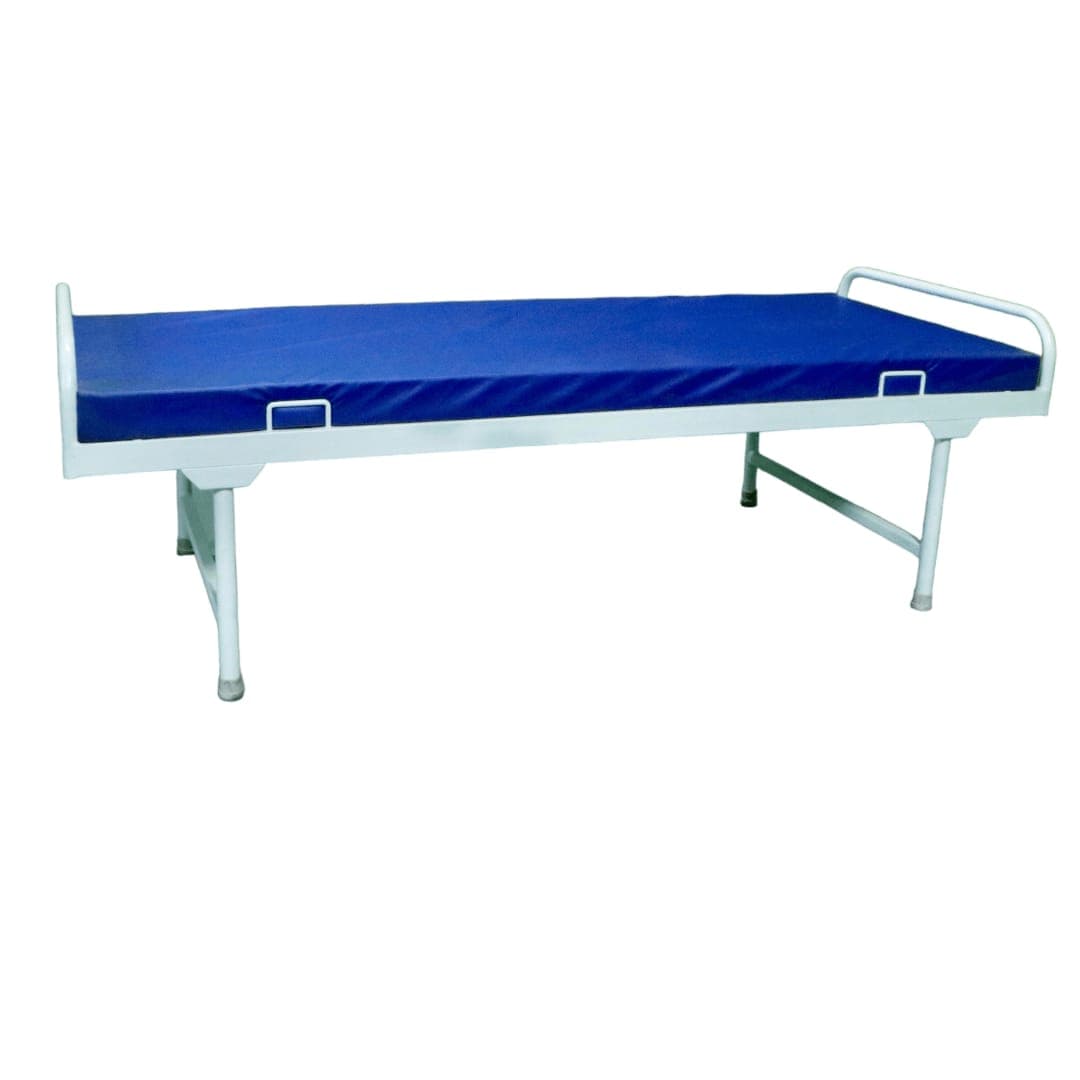
ATTENDANT BED
Dimensions: Attendant beds are compact to fit in patient rooms and usually have an overall size of a...
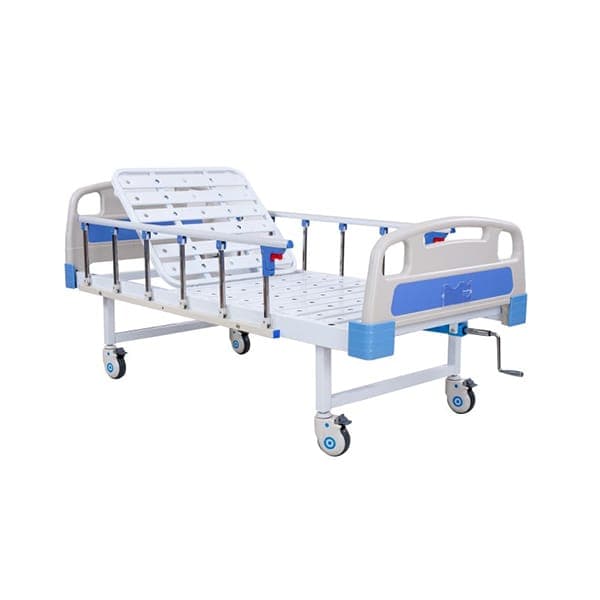
SEMI FOWLER BED
Frame: Mild steel or stainless steel, epoxy powder coated for durability and hygiene., Mattress Plat...