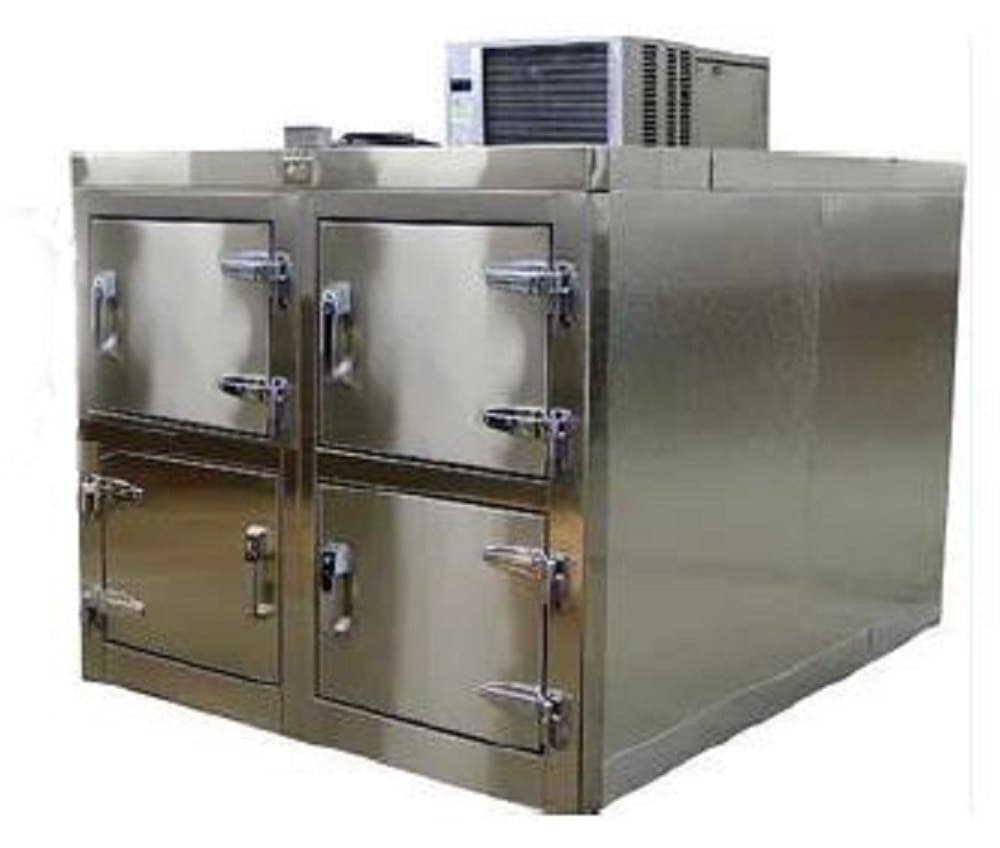
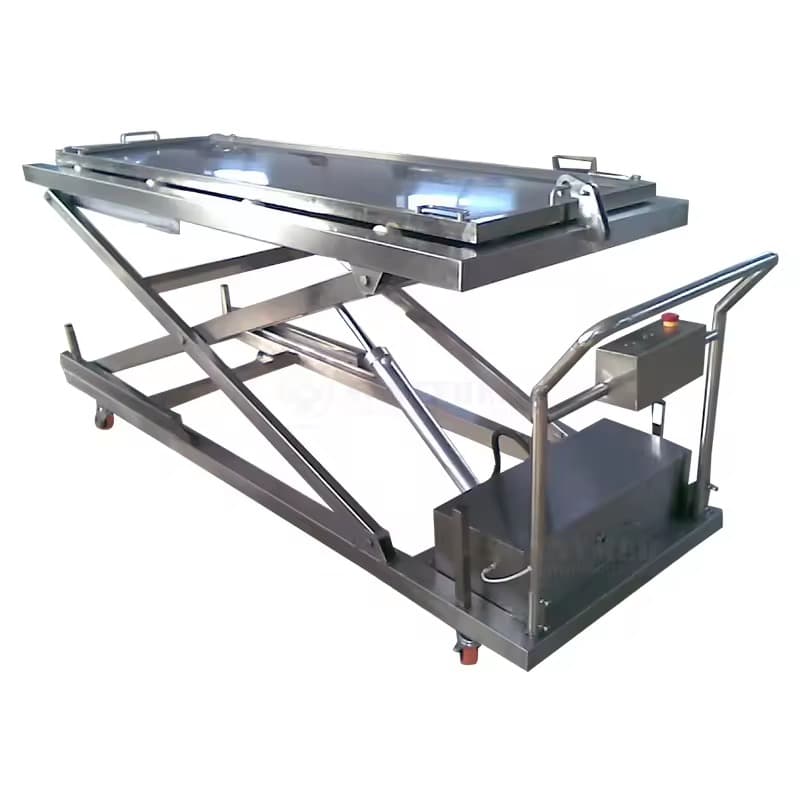
| Material and Finish | Typically constructed from materials that are easy to clean and resist bacterial growth, such as stainless steel (304 grade) with an epoxy or powder-coated finish. This is crucial for infection control. |
| Design and Construction | The design should prevent accumulation of microorganisms and be robust for a healthcare setting. |
| Edging/Seams | Edges should be curved or molded to avoid sharp corners where dirt or bacteria could accumulate. |
| Mobility | Can be fixed in place or mobile, depending on the need. |
| Compartments | Often feature adjustable shelves or drawers with telescopic channels for easy access. |
| Environmental Controls (If Applicable) | Depending on the nature of the "evidence" (e.g., tissue samples, reagents), the cabinet may need specific environmental controls. |
| Refrigeration/Freezing | Temperature and humidity control might be necessary. |
| Dimensions | Must be available in various sizes (e.g., overall depth, width, and height ranges) to fit specific clinical spaces (e.g., laboratories, morgues, or operating rooms). |
| Regulatory Compliance | The device must comply with relevant regulatory frameworks like the EU MDR (Medical Device Regulation) or FDA requirements, demonstrating safety and effectiveness through comprehensive technical documentation. |
| International Standards | Compliance with standards from organizations like the International Organization for Standardization (ISO) and the International Electrotechnical Commission (IEC) (e.g., IEC 60601 for electrical safety) is typically required. |
| Uptime Guarantee | For critical storage, a minimum uptime guarantee (e.g., 95%) might be specified in the procurement contract, with penalties for extended downtime. |